

The Hong Kong–Kowloon Brigade
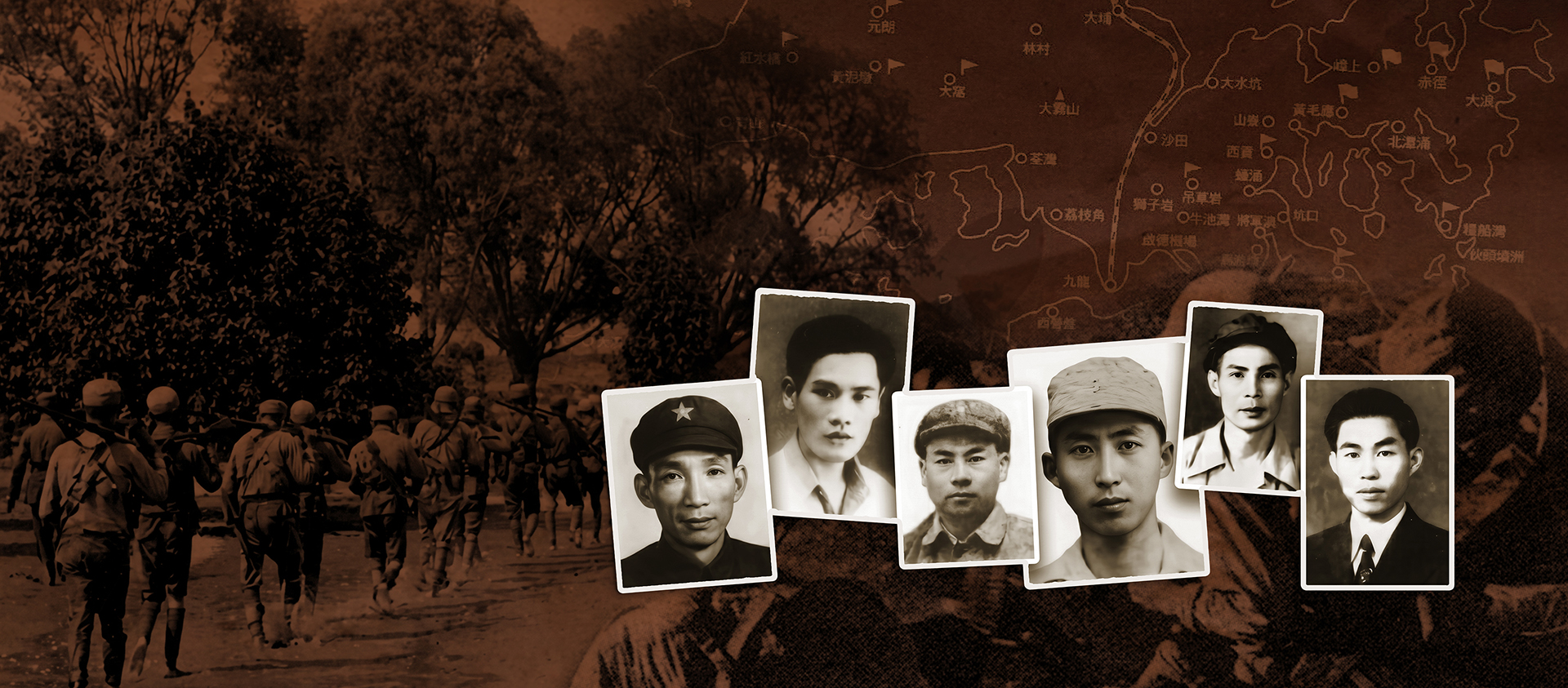
Following the fall of Hong Kong, resistance did not come to an end. Operating across the New Territories, Sai Kung, Sha Tau Kok, Lantau Island, and the urban districts of Hong Kong and Kowloon, the Hong Kong and Kowloon Brigade emerged as the most significant organised resistance force active in occupied Hong Kong.
Resistance Under Occupation
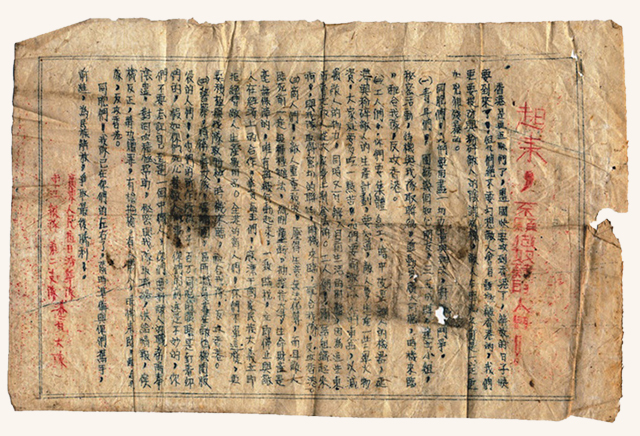
On 25 December 1941—later remembered as Black Christmas—Hong Kong surrendered to Japanese forces. Although the colony's conventional military defences had collapsed, resistance continued in new forms. During the occupation, a Communist-led anti-Japanese force operating throughout Hong Kong, Kowloon, the New Territories, and the surrounding waters gradually assumed a leading role in resistance activities. This force became known as the Hong Kong and Kowloon Brigade, formally the Hong Kong and Kowloon Independent Brigade of the Dongjiang Column.
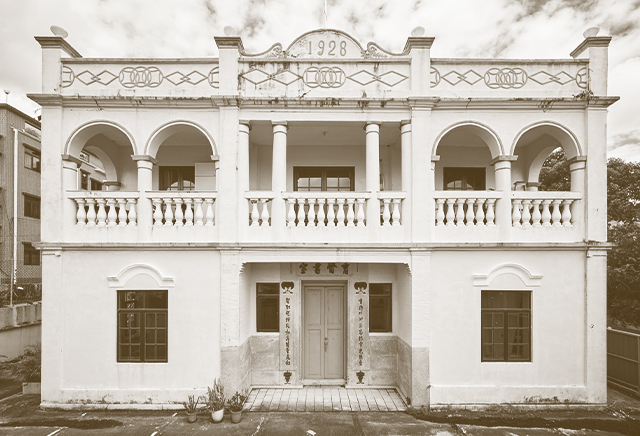
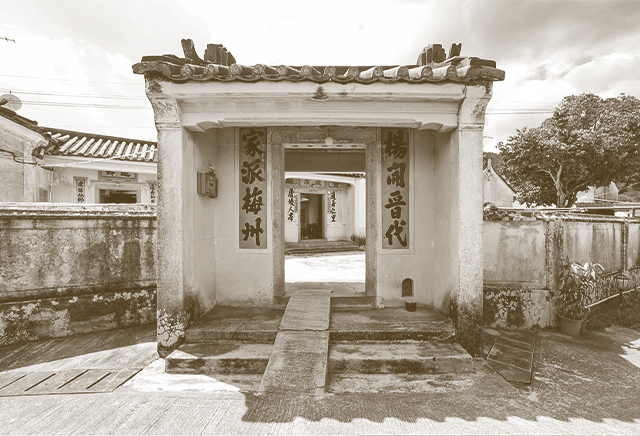
Supported by villagers, fishermen, students, and underground communication networks, these early resistance groups operated throughout Sai Kung, Sha Tau Kok, Yuen Long, and Lantau Island. They faced not only Japanese occupation forces but also challenges posed by collaborators, criminal gangs, supply shortages, and the demands of maintaining clandestine operations.
From Guerrilla Units to the
Hong Kong-Kowloon Independent Brigade
The creation of the Brigade did not occur in isolation. During the opening stages of the Japanese invasion, guerrilla units from the Third and Fifth Brigades of the Guangdong People's Anti-Japanese Guerrilla Forces had already entered the New Territories. Their responsibilities included mobilising local communities, establishing resistance bases, suppressing bandit activity, collecting abandoned weapons, and assisting in the rescue of cultural figures, journalists, and political activists trapped in Hong Kong. By the time the Hong Kong and Kowloon Brigade was formally established, the foundations of resistance had already taken root across the rural villages and mountainous regions of the New Territories.
Supported by villagers, fishermen, students, and underground communication networks, these early resistance groups operated throughout Sai Kung, Sha Tau Kok, Yuen Long, and Lantau Island. They faced not only Japanese occupation forces but also challenges posed by collaborators, criminal gangs, supply shortages, and the demands of maintaining clandestine operations.
The establishment of the Brigade marked an important transition from scattered resistance activities to a structured and coordinated organisation. Separate units, intelligence networks, urban teams, maritime units, and support systems were gradually integrated into a unified command structure, enabling resistance efforts to continue throughout the occupation.
Guerrilla Warfare
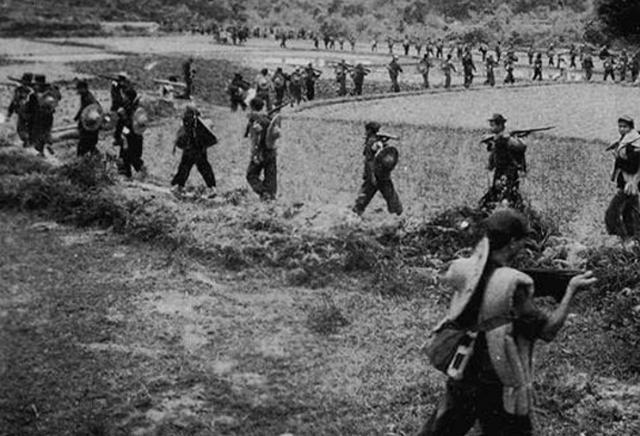
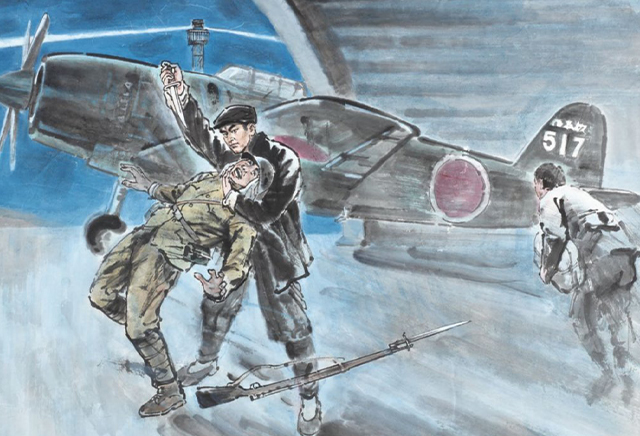
Facing an enemy with overwhelming advantages in manpower and weaponry, resistance fighters turned Hong Kong's mountains, villages, bays, islands, and city streets into battlegrounds. Through ambushes, sabotage, raids, and propaganda, they sought not only to disrupt Japanese operations but also to sustain morale and demonstrate that resistance remained alive.
Continuing the Struggle Between Mountain and Sea
After the fall of Hong Kong, Japanese forces gained control of the major urban centres, transportation routes, ports, and military installations. Yet occupation did not mean complete control. The mountains, villages, islands, and coastal waters of the New Territories continued to provide opportunities for resistance. It was within this environment that the Hong Kong and Kowloon Brigade developed a campaign of guerrilla warfare, drawing upon local knowledge, community support, and mobility to challenge Japanese authority throughout occupied Hong Kong.
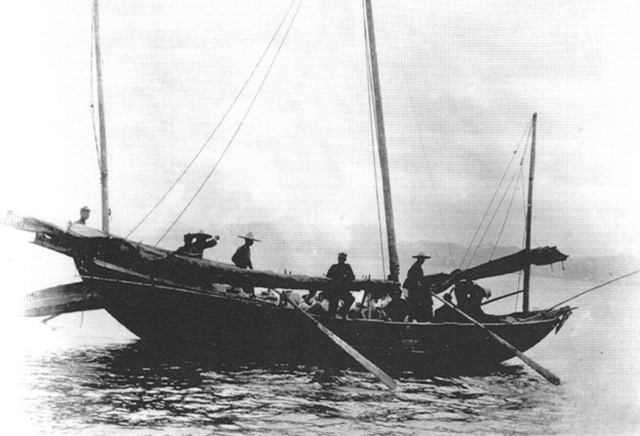
Unlike conventional military campaigns, guerrilla warfare in Hong Kong was characterised by flexibility, concealment, and persistence. Operations ranged from ambushes along mountain trails and attacks on isolated patrols to sabotage missions in urban areas and maritime raids conducted from small boats. According to the 80th Anniversary Commemorative Publication of the Hong Kong and Kowloon Brigade, the Brigade conducted rural, maritime, island, and urban guerrilla operations throughout the occupation. These activities disrupted Japanese deployments and created a constant sense of uncertainty among occupation forces and their collaborators.
Hong Kong's Geography and the
Conditions for Guerrilla Warfare
Hong Kong's geography shaped the nature of resistance. The territory was relatively small, heavily garrisoned, and lacked the vast rural hinterland that supported guerrilla warfare elsewhere in China. As a result, resistance fighters could not establish large, secure base areas. Instead, mountains, villages, islands, coastal inlets, urban neighbourhoods, and border routes became the foundations of resistance.
According to information published by the Antiquities and Monuments Office (AMO) as part of the Dongjiang Column Heritage Trail, the Hong Kong and Kowloon Brigade employed intelligence networks, transportation routes, supply operations, and rescue missions alongside military action, allowing it to strike Japanese forces in multiple ways throughout the occupation. These conditions required small, highly mobile units capable of operating discreetly and withdrawing quickly after completing their missions. The Brigade's strength lay not in numbers, but in its familiarity with the terrain, its close ties to local communities, and its ability to strike unexpectedly.
Spies, Signals, and Rescues
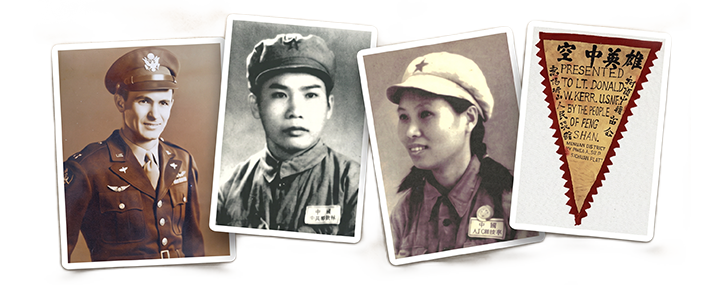
The struggle against Japanese occupation was not fought solely with weapons. It was also carried out along hidden mountain paths, secret communication routes, intelligence stations, and escape networks. Working alongside underground operatives and local supporters, resistance fighters rescued cultural figures, prisoners of war, and Allied personnel while gathering military intelligence that contributed to the wider Allied war effort.

Keeping Hong Kong Connected Under Occupation
After the fall of Hong Kong, Japanese authorities moved quickly to tighten their control. Roads, ports, and transportation routes were placed under strict supervision, curfews were imposed, and extensive searches were conducted throughout the territory. Under these conditions, the work of the Hong Kong and Kowloon Brigade and its predecessor guerrilla units extended far beyond armed resistance. Intelligence gathering, clandestine transportation, rescue missions, and assistance to Allied personnel became central elements of the struggle.
Unlike military engagements, these operations often unfolded in silence and secrecy. A meeting between couriers, a mountain trail, a fishing boat, or even a small grocery shop could determine whether a rescue succeeded or whether critical intelligence reached Allied hands. Through these activities, occupied Hong Kong remained connected to both China's resistance movement and the wider international struggle against fascism.
The Great Rescue Operation
One of the most remarkable undertakings of the occupation period was the operation later known as the Great Rescue. Following Hong Kong's surrender in December 1941, many prominent Chinese intellectuals, journalists, political activists, and anti-Japanese figures found themselves trapped within occupied territory. Japanese authorities launched extensive searches, seeking to identify, arrest, or force the surrender of individuals considered politically undesirable.
In response, underground Communist Party networks, the Guangdong People's Anti-Japanese Guerrilla Forces, and the armed work teams that later formed the Hong Kong and Kowloon Brigade organised a large-scale rescue operation. Beginning on 25 December 1941 and continuing until 22 November 1942, when journalist Zou Taofen reached a Communist-controlled base area in northern Jiangsu, the operation lasted approximately eleven months. During that time, more than 300 prominent cultural and democratic figures and approximately 800 people in total were successfully evacuated from occupied Hong Kong.
Anti-Japanese Resistance Network
The Hong Kong and Kowloon Brigade was able to continue operating throughout the three years and eight months of Japanese occupation because it relied on far more than armed fighters alone.
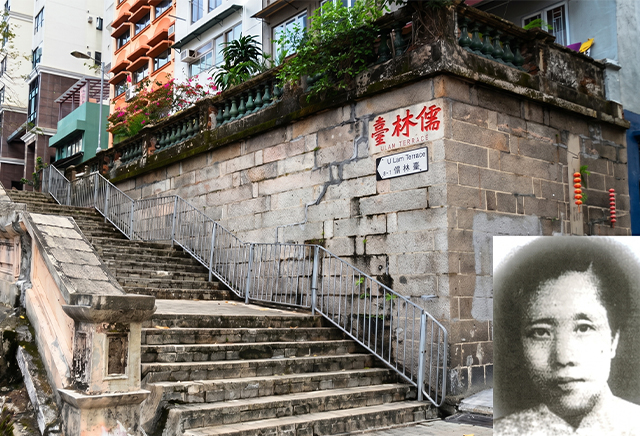
The People and Places That Sustained Resistance
Guerrilla warfare, intelligence gathering, rescue missions, and maritime operations all depended upon an extensive and highly secretive support network. This network included villagers, fishermen, couriers, shopkeepers, women, young people, religious figures, medical workers, and underground operatives. It stretched across mountain villages, islands, coastal inlets, urban neighbourhoods, and border routes throughout Hong Kong.
Many of these individuals never carried weapons, and many of their names were never fully recorded. Yet their contributions enabled resistance fighters to find shelter, obtain food and supplies, transmit intelligence, escort personnel, evade searches, and continue operating under occupation. In the foreword to The History of the Hong Kong and Kowloon Independent Brigade, Tsang Sang observed that the Brigade was "an army of the people of Hong Kong and Kowloon," and that every achievement it accomplished depended upon the support of the local population.
A Network Linking Mountains, Bays, and Cities
The underground resistance network was not a single route or organisation. Rather, it was a web connecting people and places across Hong Kong. Locations such as Sai Kung, Sha Tau Kok, Wu Kau Tang, Chek Kang, Sham Chung, Yuen Long, Lantau Island, Cheung Chau, Tai Po, and urban Kowloon all contributed in different ways. Some served as guerrilla bases. Others functioned as intelligence stations, supply depots, temporary shelters, or meeting points.
The strength of the network lay in its ability to connect different functions. Combat operations required intelligence. Intelligence depended on communication stations. Rescue missions required guides and safe houses. Maritime operations required boats and experienced navigators. Logistics depended upon food, medicine, and transportation. Injured personnel required treatment and protection. Each link appeared small in isolation, yet the loss of any one component could jeopardise an entire operation. The underground network was therefore more than a support system—it was the lifeline that enabled resistance to survive in occupied Hong Kong.
- Government Records Service, Hong Kong SAR Government - https://www.grs.gov.hk/en/index.html
- Hong Kong Museum of History - https://hk.history.museum/en/web/mh/
- Hong Kong Museum of Coastal Defence - https://hk.history.museum/en/web/mcd/
- Leisure and Cultural Services Department (LCSD) - https://www.lcsd.gov.hk/en/
- The University of Hong Kong Libraries - https://lib.hku.hk/
- The Chinese University of Hong Kong Library - https://www.lib.cuhk.edu.hk/
- Hong Kong Public Libraries - https://www.hkpl.gov.hk/en/index.html
- Royal Asiatic Society Hong Kong Branch - https://www.royalasiaticsociety.org.hk/
- Commonwealth War Graves Commission (CWGC) - https://www.cwgc.org/
- Hong Kong Memory - https://www.hkmemory.hk/
- Imperial War Museums (United Kingdom) - https://www.iwm.org.uk/
- The National Archives (United Kingdom) - https://www.nationalarchives.gov.uk/
- Library and Archives Canada - https://www.canada.ca/en/library-archives.html
- Dongjiang Column Historical Research Society - https://www.dongjiangzongdui.org
- Chinese Culture Research Institute - https://chiculture.org.hk/
- Antiquities and Monuments Office (Hong Kong) - https://www.amo.gov.hk
- War of Resistance Against Japanese Aggression Memorial Network - https://www.krzzjn.com/
- Wikipedia – Battle of Hong Kong - https://zh.wikipedia.org/zh-hk/香港保衞戰